

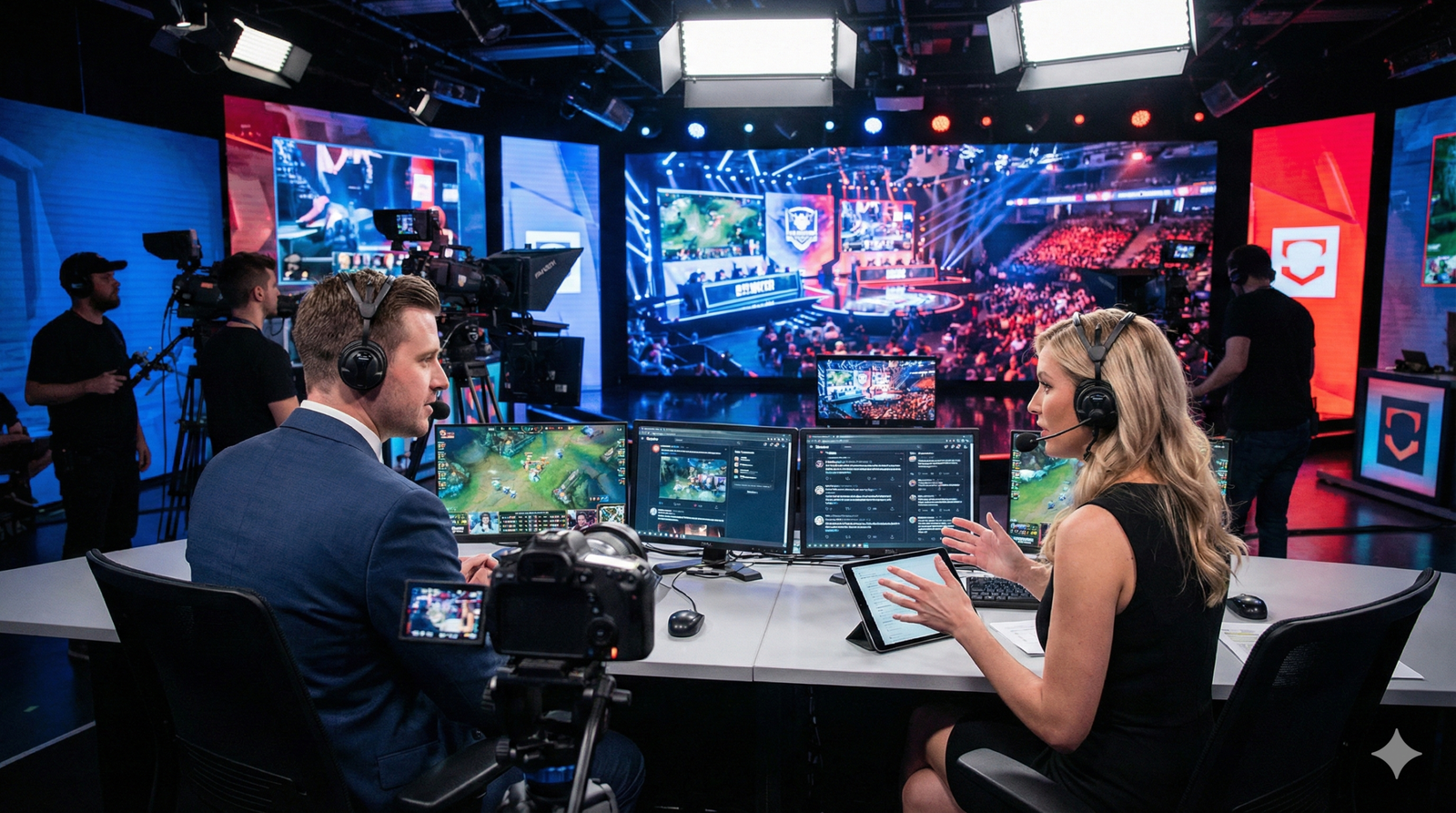
The esports industry has evolved into one of the fastest-growing entertainment sectors in the world. What once started as small competitive gaming tournaments among passionate players has now become a billion-dollar ecosystem filled with professional teams, international championships, sponsorship deals, streaming platforms, gaming influencers, and millions of dedicated fans. Alongside this explosive growth, esports journalism has also transformed significantly. Modern gaming audiences no longer rely only on simple match recaps or basic tournament updates. Instead, they demand real-time coverage, deep analysis, insider reports, player interviews, strategy breakdowns, and expert commentary. This rising demand has given popularity to the concept of esports news dualmedia.
Esports News DualMedia represents a modern approach to competitive gaming coverage where esports organizations and digital media operations work together to deliver fast, accurate, and highly engaging content. The word “dualmedia” reflects the combination of esports competition and professional media reporting under one ecosystem. Unlike traditional gaming blogs that report from the outside, dualmedia platforms often have direct access to players, coaches, analysts, and esports insiders. This allows them to provide detailed reporting that feels more authentic and trustworthy for gaming audiences.
The rise of esports media has been fueled by platforms like Twitch, YouTube Gaming, Kick, Discord, Reddit, and social media networks where fans constantly discuss tournaments, player transfers, game updates, and esports drama. Competitive gaming communities move very quickly, which means esports journalism must also operate at high speed. Fans expect instant updates, accurate information, and expert-level analysis within minutes of important esports events. Dualmedia-style esports reporting has become increasingly important because it combines professional journalism with firsthand gaming knowledge.
Today, esports news platforms cover everything from League of Legends World Championships and Valorant Masters events to Counter-Strike 2 Majors, Dota 2 Internationals, Fortnite tournaments, PUBG Mobile competitions, and Mobile Legends championships. These platforms are shaping how fans consume esports content while also influencing gaming culture itself. As the esports industry continues expanding globally, esports news dualmedia is becoming one of the most important parts of modern competitive gaming.
The Meaning Behind Esports News DualMedia
Esports News DualMedia refers to a hybrid esports journalism model where media production and competitive gaming operations work together. Traditional sports journalism usually operates separately from professional sports organizations. However, esports media often blends journalism, streaming, content creation, tournament coverage, and team operations into one digital ecosystem. This creates a more connected relationship between esports organizations and their audiences.
The concept of dualmedia became more visible as esports organizations realized that content creation was just as important as tournament success. Esports News DualMedia Professional teams started building media departments to produce interviews, match analysis, documentaries, livestreams, podcasts, and behind-the-scenes videos. Fans wanted to know more about their favorite players, team dynamics, practice routines, and tournament experiences. Esports media platforms quickly adapted to this demand by offering much deeper storytelling compared to traditional gaming news websites.
One major reason why esports news dualmedia has gained attention is authenticity. Esports audiences are highly knowledgeable about gaming mechanics, tournament structures, and competitive strategies. They prefer coverage written by people who genuinely understand esports rather than reporters with limited gaming knowledge. Many dualmedia platforms hire former professional players, analysts, streamers, coaches, and esports experts who can explain advanced gameplay strategies and industry developments in a way that resonates with dedicated gaming fans.
This hybrid media structure also helps esports organizations grow their brands. Modern esports teams are no longer simply competitive gaming groups. They operate as entertainment companies, lifestyle brands, and digital media creators. Their content attracts millions of views across YouTube, TikTok, Instagram, and Twitch, creating additional revenue opportunities beyond tournament winnings. As a result, dualmedia has become an essential strategy for maintaining audience engagement in the competitive gaming industry.
The Growth of the Global Esports Industry
The growth of esports is one of the main reasons esports journalism has become so important. Competitive gaming has expanded from internet cafes and local tournaments into a global entertainment industry watched by millions of viewers worldwide. Major esports tournaments now fill arenas, attract global sponsorships, and generate enormous online audiences through livestreaming platforms.
Games like League of Legends, Valorant, Dota 2, Counter-Strike 2, Fortnite, Apex Legends, Mobile Legends, PUBG Mobile, and Call of Duty have developed professional esports ecosystems with regional leagues, international championships, and franchised organizations. These tournaments often feature prize pools worth millions of dollars, turning esports into a serious professional career for talented players.
Streaming platforms have played a huge role in accelerating esports growth. Twitch and YouTube Gaming allow fans to watch live tournaments, player streams, scrimmages, and esports discussions from anywhere in the world. Esports News DualMedia Unlike traditional sports broadcasting, esports content is available almost constantly, which creates continuous demand for gaming news and tournament coverage. Fans want updates not only during major events but also throughout the entire competitive season.
Mobile esports has also contributed significantly to industry growth, especially in regions such as South Asia, Southeast Asia, the Middle East, and Latin America. Mobile gaming is more accessible than PC gaming for many players, which has helped esports reach broader audiences globally. Competitive mobile games like PUBG Mobile, Free Fire, and Mobile Legends have developed massive esports communities that actively follow tournaments and gaming news online.
As esports continues growing, professional journalism becomes increasingly necessary. Fans want reliable information about roster changes, tournament schedules, sponsorship deals, patch updates, and player controversies. Esports news dualmedia helps fill this gap by delivering specialized coverage tailored specifically to competitive gaming audiences.
Why Real-Time Esports Coverage Matters
Speed is one of the most important elements of esports journalism. Competitive gaming moves extremely quickly, with tournaments happening across multiple regions and time zones every week. Fans expect instant updates regarding match results, team performances, player transfers, and game updates. Delayed reporting often becomes irrelevant because esports audiences already discuss events live through social media and streaming platforms.
Real-time tournament coverage has become a defining feature of modern esports media. During major competitions like the League of Legends World Championship or Valorant Champions Tour, fans constantly search for live score updates, player statistics, tactical analysis, and post-match reactions. Esports journalists must therefore provide accurate information while events are still unfolding.
Dualmedia platforms often have advantages in real-time reporting because they maintain close relationships with esports organizations and players. This insider access allows them to gather information more quickly than traditional gaming blogs. Some esports media teams even travel directly to tournament venues to provide live interviews, backstage insights, and exclusive content for their audiences.
Social media has further increased the importance of speed in esports journalism. Twitter, Reddit, Discord, TikTok, and YouTube Shorts spread gaming news within minutes. A roster leak, tournament upset, or controversial play can become globally trending almost instantly. Esports media outlets must therefore balance speed with accuracy to maintain audience trust.
The rise of livestreaming has also changed how esports news is consumed. Fans no longer rely only on written articles. They expect video highlights, reaction clips, livestream analysis, and instant community discussions alongside traditional reporting. Dualmedia platforms are especially effective in this environment because they combine multimedia content with esports expertise.
The Role of Technology in Esports Media
Technology has transformed esports journalism in ways that traditional sports media could not have imagined a decade ago. Modern esports coverage relies heavily on livestreaming tools, advanced analytics, artificial intelligence, social media algorithms, and real-time performance tracking systems. These technologies help media platforms provide more engaging and detailed coverage for competitive gaming audiences.
Data analysis has become particularly important in esports reporting. Competitive games generate huge amounts of gameplay statistics related to player accuracy, reaction speed, map control, damage output, economy management, and strategic decision-making. Esports journalists and analysts use this data to explain why teams win or lose important matches. Fans enjoy advanced breakdowns that help them understand the deeper strategic layers of professional gameplay.
Artificial intelligence is also beginning to influence esports journalism. AI-powered tools can automatically generate match summaries, highlight key plays, analyze player performance trends, and track social media discussions. Some esports platforms use machine learning systems to predict tournament outcomes and identify strategic patterns in professional gameplay.
Video production technology has further improved esports storytelling. Modern esports documentaries, cinematic trailers, team content, and tournament broadcasts now rival traditional sports productions in quality. Dualmedia organizations frequently invest in professional video editing, motion graphics, and live broadcasting systems to create immersive experiences for viewers.
Virtual reality and augmented reality technologies may also shape the future of esports journalism. Some tournament organizers are experimenting with interactive broadcasts that allow fans to experience matches from different viewing angles or access live gameplay data during events. These innovations could change how esports content is consumed over the next decade.
Popular Esports Games Covered by DualMedia Platforms
Esports media platforms typically focus on games with strong competitive ecosystems and large global audiences. League of Legends remains one of the most popular esports titles due to its massive international tournaments and regional leagues. Riot Games has built a highly organized esports structure that attracts millions of viewers annually.
Valorant has quickly become another major focus for esports journalism. Since its release, the tactical shooter has developed a thriving competitive scene supported by the Valorant Champions Tour. Fans regularly follow roster changes, map strategies, tournament results, and player rankings through esports news platforms.
Counter-Strike 2 continues the legacy of one of the oldest and most respected esports franchises in gaming history. CS2 tournaments consistently attract passionate audiences who closely follow professional teams, player transfers, tactical innovations, and Major Championships. Dualmedia platforms often provide deep strategic analysis because Counter-Strike fans are highly interested in advanced gameplay mechanics.
Mobile esports titles such as PUBG Mobile, Mobile Legends, and Free Fire have also become major topics in esports journalism. These games dominate competitive gaming markets in many regions where mobile devices are more accessible than gaming PCs. Mobile esports tournaments regularly generate millions of viewers, especially across Asia and the Middle East.
Battle royale games, fighting games, sports simulators, and strategy games also contribute to the diversity of esports content online. This wide range of competitive titles allows esports media platforms to attract audiences with different gaming interests and regional preferences.
The Importance of Trust and Credibility in Esports Journalism
Trust has become one of the biggest challenges in esports journalism. Because gaming news spreads rapidly through social media, false rumors and inaccurate reports can easily mislead audiences. Fans often encounter fake roster leaks, unverified controversies, and misleading tournament information shared across online communities.
Reliable esports media platforms must therefore prioritize accuracy and transparency. Dualmedia organizations often build trust by employing journalists and analysts with real competitive gaming experience. Former professional players and coaches can provide deeper insights into team dynamics, gameplay strategies, and industry operations compared to general entertainment reporters.
Google’s E-E-A-T principles are especially relevant in esports journalism. Readers want content created by individuals with genuine expertise and firsthand experience in competitive gaming. High-quality esports articles must demonstrate knowledge of tournament structures, gameplay mechanics, esports culture, and industry trends while also presenting information clearly and accurately.
Fact-checking has become increasingly important as esports grows more commercialized. Sponsorship deals, player contracts, tournament partnerships, and esports investments involve significant financial interests. Media platforms that spread false information risk damaging both their reputations and the broader esports ecosystem.
Community trust also plays a major role in esports journalism success. Gaming audiences are highly interactive and vocal online. Fans quickly criticize inaccurate reporting or poorly researched articles. As a result, esports media organizations must maintain strong credibility to remain respected within competitive gaming communities.
Community Culture and Fan Engagement in Esports
Esports communities are among the most active and engaged digital audiences in the world. Fans constantly interact through Twitch chat, Discord servers, Reddit forums, YouTube comments, TikTok clips, and social media discussions. This strong community involvement shapes how esports journalism operates compared to traditional sports media.
Memes, livestream reactions, community debates, and fan-created content are major parts of esports culture. A single funny moment during a tournament can become viral across gaming communities within hours. Esports media platforms often incorporate community reactions into their reporting because audience engagement is central to gaming culture.
Dualmedia organizations tend to connect more closely with fans because they operate inside the esports ecosystem rather than observing from a distance. Players, streamers, analysts, and journalists frequently interact directly with audiences through livestreams and social media. This creates stronger emotional connections between esports brands and their communities.
Fan loyalty is especially important in esports because gaming audiences often support individual players and creators as much as entire organizations. Popular esports personalities can attract millions of followers who actively consume news, interviews, and behind-the-scenes content related to their careers.
Esports communities also influence industry trends and tournament popularity. Fan feedback can shape game updates, esports formats, broadcast styles, and content strategies. Media platforms that understand gaming culture are therefore better positioned to build lasting relationships with esports audiences.
Challenges Facing the Future of Esports Media
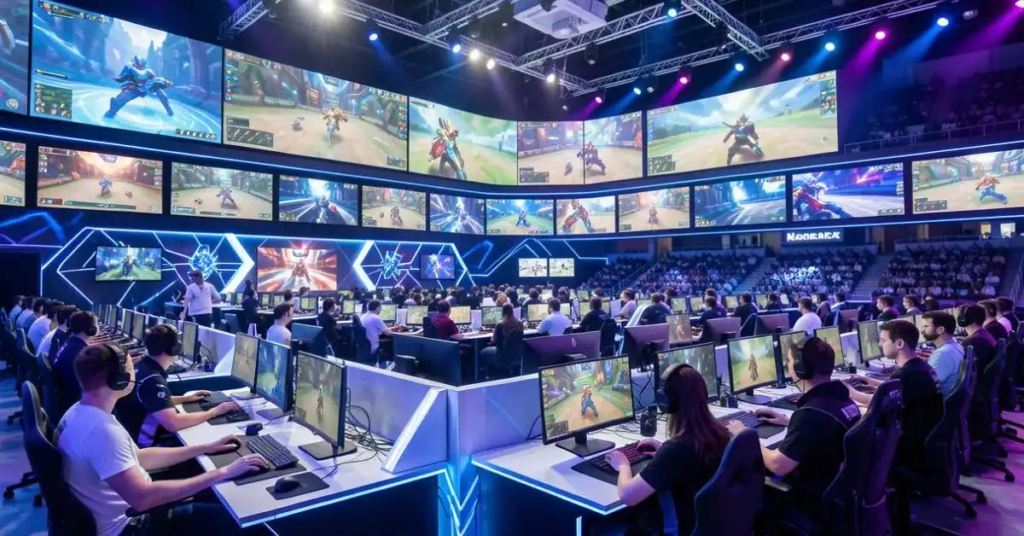
Despite its rapid growth, esports journalism still faces several major challenges. One of the biggest problems is sustainability. Many esports media websites struggle to balance high-quality reporting with advertising revenue and audience monetization. The esports industry remains highly competitive, and maintaining profitability can be difficult for independent media organizations.
Burnout is another serious issue within esports journalism. Competitive gaming operates almost continuously throughout the year, with tournaments happening across multiple regions and games simultaneously. Journalists, analysts, editors, and content creators often work long hours covering live events and breaking news.
The fast-changing nature of esports also creates Esports News DualMedia challenges for media coverage. Games receive frequent updates that can completely alter competitive strategies overnight. Journalists must constantly stay informed about gameplay mechanics, patch notes, meta changes, and tournament developments to maintain credibility.
Toxicity within online gaming communities can also affect esports reporting. Journalists sometimes face harassment, personal attacks, or misinformation campaigns when covering controversial topics. Maintaining professionalism while navigating highly emotional fan reactions can be difficult for esports media professionals.
Competition from influencers and content creators has also changed the media landscape. Many fans now receive esports news directly from streamers, YouTubers, and professional players rather than traditional journalism websites. Media platforms must therefore offer deeper analysis, exclusive reporting, and higher-quality storytelling to remain relevant.
Conclusion
Esports news dualmedia represents the modern evolution of competitive gaming journalism. By combining esports expertise with professional media production, dualmedia platforms have created a more immersive, authentic, and engaging form of gaming coverage. This approach reflects the changing expectations of esports audiences who want fast updates, detailed analysis, insider access, and meaningful storytelling.
The esports industry continues growing rapidly across PC, console, and mobile gaming markets worldwide. Major tournaments attract millions of viewers, while streaming platforms and social media keep fans connected to esports culture every day. As competitive gaming becomes increasingly mainstream, the role of trustworthy esports journalism will become even more important.
Dualmedia platforms are helping shape the future of esports content by blending livestreams, video production, analytics, interviews, documentaries, and written journalism into one unified experience. Their close relationships with players, organizations, and gaming communities allow them to deliver more accurate and engaging coverage than traditional media models.
Although esports journalism still faces challenges related to sustainability, misinformation, and rapid industry changes, the future remains highly promising. Technology, artificial intelligence, mobile gaming, and interactive broadcasting will continue transforming how esports content is produced and consumed. In this evolving digital landscape, esports news dualmedia stands as one of the most influential forces driving the future of competitive gaming media.
