

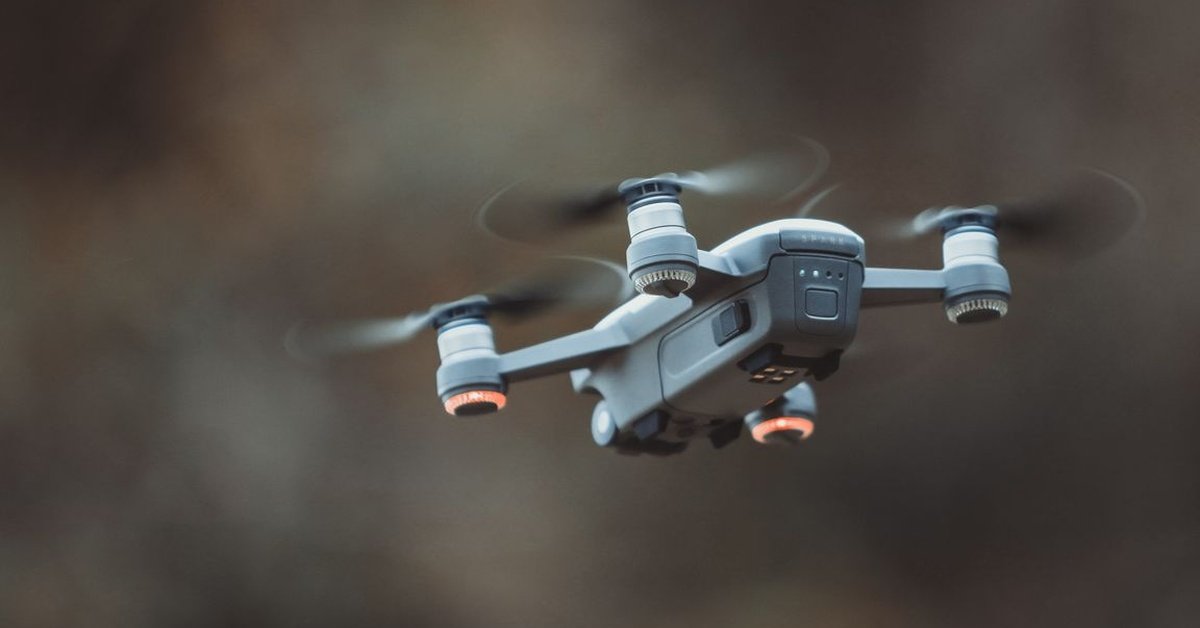
Direct answer: Choosing an FPV flight controller comes down to five specs: the processor (MCU), the gyro, the UART count, the mounting pattern, and whether you need an analog OSD chip. For most 5-inch freestyle and racing builds, an F7 board with 30.5 × 30.5 mm mounting, 4 to 6 UARTs, a reliable gyro and 16 MB or more of blackbox memory is the safest choice. Get the mounting pattern or the video system wrong, and the board is unusable no matter how fast its processor is.
Quick Facts
| Spec | What it decides | What to check |
|---|---|---|
| MCU (F405 / F722 / H743) | Speed, UART count, firmware longevity | 1 MB flash minimum; H743 if ArduPilot is planned |
| Gyro (ICM-42688-P / MPU6000 / BMI270) | Noise tolerance and tune stability | Soft-mounting matters as much as the part number |
| UARTs | How many peripherals you can run | 3 minimum for a digital build, 4+ comfortable |
| OSD chip (AT7456E) | Whether analog video gets an overlay | Absent on several compact digital boards |
| Mounting pattern | Whether the board fits your frame | 30.5 × 30.5 mm for 5-inch and up, 20 × 20 mm for micros |
| Blackbox | Logging for tuning | 16 MB or more recommended |
What Does a Flight Controller Do?
The flight controller, often called the FC, is the brain of the drone. It reads gyro and accelerometer data, processes your stick inputs, runs the firmware — usually Betaflight, and sometimes iNav or ArduPilot — and sends commands to the ESCs and motors, thousands of times per second, using a PID loop to hold the attitude you command. It also manages receiver input, ESC output, on-screen display data, video transmitter control, GPS and rescue functions, blackbox logging, LEDs and buzzers. In practice it is also the wiring hub of the build, which is why choosing well makes the whole build easier to wire, tune and repair.
Processor: F4, F7 or H7?
The processor determines how fast the FC thinks and what features it can handle.
- F4 (168 MHz): fine for basic freestyle and racing, and the most affordable option. A capable F4 board is enough for a beginner build, but it has less headroom for GPS, complex features and future firmware growth.
- F7 (216 MHz): the sweet spot for most pilots. Fast enough for anything a typical freestyle or racing build needs, with room for GPS and a digital video system.
- H7 (400 MHz+): worth the extra cost if you plan to run GPS-heavy long-range navigation, iNav, or ArduPilot, or you want maximum firmware longevity.
For beginners, do not over-focus on raw MCU speed. Fit, wiring layout, UART count, repairability and firmware support matter more than the difference between F4 and F7 in the air.
Mounting Pattern: Measure Twice
Flight controllers come in standard sizes based on the distance between mounting holes:
- 30.5 × 30.5 mm: the standard for 5-inch frames and larger.
- 20 × 20 mm: smaller drones, 3 to 4-inch builds and whoops.
- 25.5 × 25.5 mm: less common, some mid-size frames.
Check your frame specs before buying. Most modern 5-inch quads use 30 mm mounting. A board that does not match your frame cannot be fitted, however good its specs are.
UARTs: Count Them Carefully
UARTs are serial ports for connecting external devices. Each one handles a specific job:
| Device | UARTs needed |
|---|---|
| Radio receiver (ExpressLRS / Crossfire) | 1 |
| GPS module | 1 |
| Digital video system (DJI / Walksnail / HDZero) | 1 |
| ESC telemetry | Shared (optional) |
Four full UARTs is the minimum recommendation for a typical build, and 4 to 6 is comfortable. Some budget F4 boards share UARTs between ports, meaning you can only use one device at a time — avoid those for complex builds. Count your peripherals before you buy, not after you have soldered everything.
Gyro: The Part You Feel in the Tune
The gyro measures rotation and is central to how stable and tunable the quad feels. Common gyros include the ICM-42688-P, MPU6000 and BMI270. The MPU6000 has long been considered reliable, with excellent vibration resistance and predictable flight characteristics, making it a favourite for racers. ICM gyros offer higher sampling rates and lower latency, but may need cleaner builds with better vibration isolation to perform at their best.
In practice, soft-mounting and a clean build matter as much as the gyro part number. A well-built quad with a modest gyro will tune better than a noisy build with the best gyro on paper.
Stack, AIO or FC-Only?
- Stack (FC + ESC as separate boards): the standard for 5-inch and larger builds. Easier to replace one part if it fails, and more room for wiring.
- AIO (all-in-one, FC + ESC on one board): usually the best option for tiny whoops and ultralight builds, where weight matters more than expandability. If one part fails, the whole board is affected.
- FC-only: for builders who already have an ESC they like, or who want a specific combination.
For 7-inch long-range or GPS-heavy builds, choose an F7 or H7 FC with more UARTs, better power filtering, and enough pads for GPS, buzzer, video transmitter, receiver and peripherals.
OSD and Video System: The Easy Mistake
If you fly analog video, you need an OSD chip (commonly the AT7456E) to overlay battery voltage, flight time and other data on your video feed. Several compact digital boards omit the OSD chip entirely, because digital video systems handle overlays differently. If you buy a digital-only board for an analog build, you will have no on-screen display. Match the board to your video system first, then worry about processor speed.
A Simple Decision Path
- First 5-inch freestyle or racing build: F7, 30.5 × 30.5 mm, 4 to 6 UARTs, reliable gyro, 16 MB+ blackbox, clean 5 V / 9 V BEC.
- Tiny whoop or ultralight: AIO board, weight first.
- 7-inch long-range or GPS: F7 or H7, more UARTs, better power filtering, GPS and buzzer pads.
- Beginner on a budget: F4 is fine, but check mounting, UARTs and firmware support before price.
Conclusion
Choosing an FPV flight controller is not about buying the fastest processor. It is about matching five specs to your build: MCU for headroom, mounting for fit, UARTs for peripherals, gyro for tune stability, and OSD for your video system. Get those right, and the build is easier to wire, easier to tune and easier to repair. Get the mounting or video system wrong, and no processor speed will save it.
FAQs
1. What is the best flight controller for a beginner?
An F4 or F7 board with standard 30.5 × 30.5 mm mounting, a reliable gyro and good firmware support. Focus on fit and wiring, not raw speed.
2. How many UARTs do I need?
At least 3 for a digital build, 4 or more for comfort. Count your receiver, GPS and video system before buying.
3. What is the difference between F4, F7 and H7?
F4 is affordable and enough for basic builds, F7 is the sweet spot for most pilots, and H7 suits GPS-heavy, long-range or ArduPilot builds.
4. What mounting size do I need for a 5-inch drone?
Usually 30.5 × 30.5 mm. Micros and whoops use 20 × 20 mm.
5. Do I need an OSD chip?
For analog video, yes — without an AT7456E or similar chip, you get no on-screen overlay. Digital video systems handle overlays differently, so some digital boards omit it.
6. What is blackbox, and why does it matter?
Blackbox logs flight data for tuning. With 16 MB or more, you can record enough data to diagnose vibration, tune and performance problems.
7. Stack or AIO?
Stack for 5-inch and larger builds, where repairability matters. AIO for tiny whoops and ultralight builds, where weight matters most.
For more articles like this, visit Newsexamine.
