

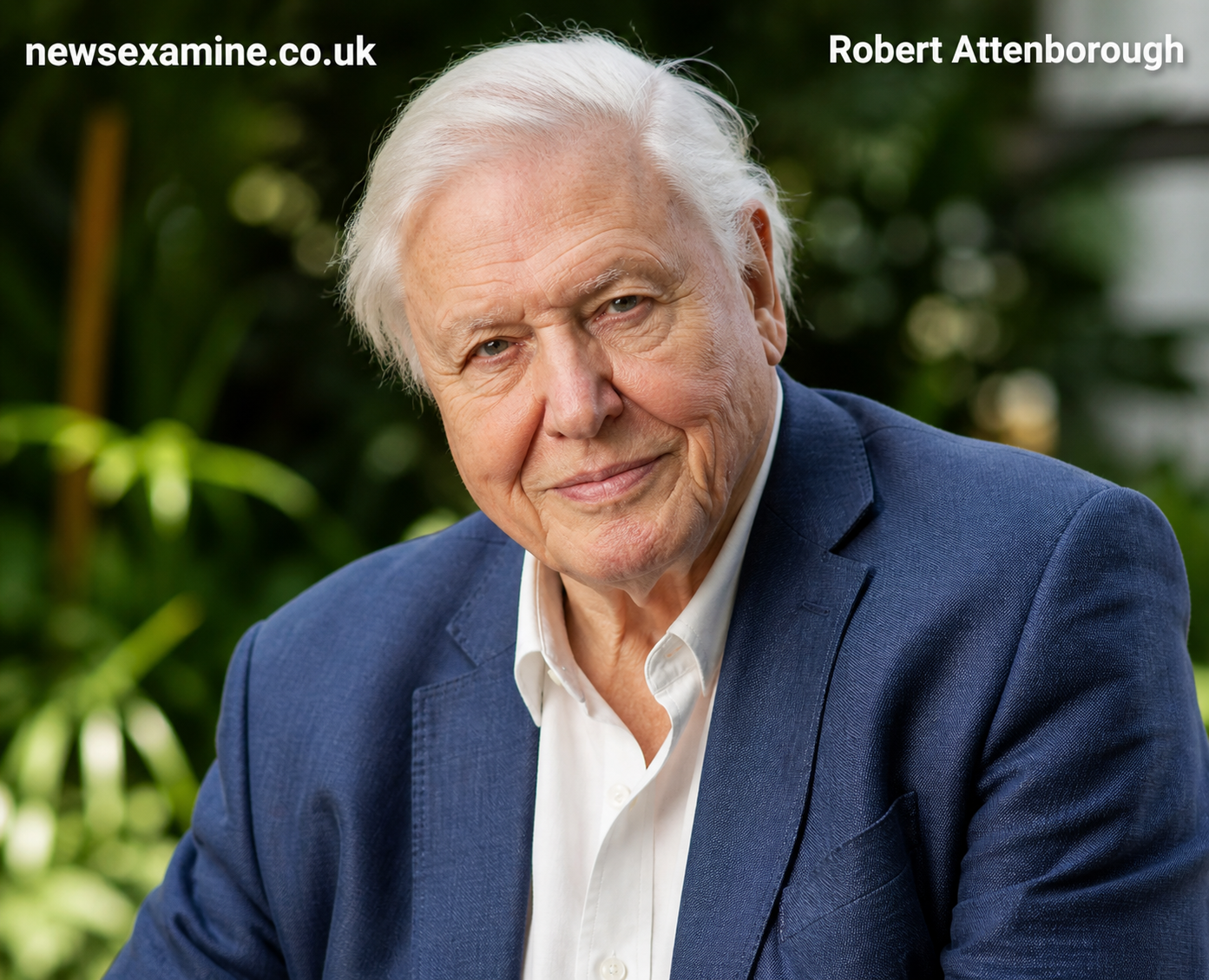
Robert Attenborough is a British biological anthropologist known for his academic research on human evolution, population biology, and health in different environments. He is also part of the well-known Attenborough family, which includes globally recognized figures such as Sir David Attenborough, a legendary natural historian, and Richard Attenborough, an acclaimed actor and filmmaker.
While many members of the Attenborough family are associated with media and public storytelling, Robert Attenborough has built his reputation in a very different field. His work is based in scientific research, field studies, and academic teaching rather than television or film. This contrast makes his career especially interesting for those searching for “Robert Attenborough biography,” “Attenborough family members,” and “British anthropologists.”
In this article, we explore his life, academic contributions, research focus, and the importance of his work in understanding human populations and evolution. The content is structured to be informative, SEO-optimized, and easy to understand while maintaining accuracy and depth.
Family Background and the Attenborough Scientific Legacy
Robert Attenborough comes from one of the most respected intellectual families in the United Kingdom. The Attenborough name is strongly connected with science, arts, and education. His father, Sir David Attenborough, is internationally known for his nature documentaries that have shaped global awareness about wildlife and environmental conservation.
Another prominent family member, Richard Attenborough, contributed significantly to cinema as an actor and director, winning multiple awards for his work in film. This combination of science and storytelling created a strong intellectual environment for Robert during his upbringing.
Despite this famous background, Robert chose a more academic path rather than public media. His focus on anthropology shows how the Attenborough family’s influence extends beyond entertainment into scientific research and human understanding.
Early Life and Academic Development
Robert Attenborough grew up in a highly intellectual environment where curiosity, learning, and observation were strongly encouraged. Being exposed to scientific discussions and global perspectives from an early age helped shape his academic interests.
Instead of focusing on wildlife broadcasting like his father, Robert developed a deeper interest in human societies, biology, and evolution. This shift led him toward anthropology, a field that combines biology, culture, and history to understand human development.
His academic foundation was built through formal education in anthropology and related disciplines, preparing him for advanced research work in universities and field studies around the world.
Academic Career and University Work
Robert Attenborough has spent much of his professional life in academia, contributing to universities and research institutions. He has been associated with respected academic centers such as the University of Cambridge, where anthropological research is highly developed.
In addition to teaching, he has held roles that involve supervising students, conducting field research, and collaborating with international scholars. His academic responsibilities reflect a long-term commitment to education and scientific exploration.
He has also served in roles at institutions like the Australian National University, where he contributed as an Honorary Senior Lecturer. These positions highlight his global involvement in anthropology research and education.
Research Focus in Biological Anthropology
The main focus of Robert Attenborough’s work is biological anthropology, a field that studies human evolution, variation, and adaptation. This discipline helps explain how humans have developed physically and biologically in response to different environments.
His research often explores how human populations adapt to environmental challenges such as disease, climate, and nutrition. By studying these factors, anthropologists like Robert help improve understanding of human health and survival patterns.
This work is important because it connects biology with real-world human conditions. It also contributes to broader scientific knowledge about evolution and population diversity.
Field Research in Papua New Guinea
One of the most significant areas of Robert Attenborough’s research is Papua New Guinea. This region is known for its high genetic and cultural diversity, making it a valuable location for anthropological studies.
His studies in this area focus on population biology, health patterns, and genetic variation. Researchers use such environments to understand how isolated communities evolve over time.
This work has helped provide insights into how diseases, especially malaria, interact with human populations. It also contributes to understanding long-term human adaptation in specific ecological settings.
Contributions to Scientific Publications
Robert Attenborough has contributed to numerous academic papers and research studies in anthropology and human biology. His work is often collaborative, involving scientists from different disciplines such as genetics, archaeology, and epidemiology.
These publications explore topics such as human population structure, genetic diversity, and evolutionary adaptation. They are part of a broader scientific effort to map human development across different regions of the world.
Although his work is not widely known to the general public, it holds value within academic and scientific communities, where it is used for further research and reference.
Difference from Other Attenborough Family Members
Unlike Sir David Attenborough or Richard Attenborough, Robert Attenborough has chosen a path away from public visibility. While his relatives are known for storytelling and media presence, Robert’s work is focused on research and academic analysis.
This difference highlights the diversity within the Attenborough family. Each member has contributed to society in different ways—through science communication, film, or academic research.
Robert’s quiet academic career demonstrates that influence does not always require public recognition. Instead, it can come through long-term contributions to scientific understanding.
Importance of His Work in Modern Anthropology
Robert Attenborough’s research plays an important role in modern anthropology because it helps explain how humans adapt biologically and socially. His work contributes to understanding global health, genetic diversity, and population history.
In today’s world, where climate change, disease patterns, and population movement are major topics, anthropological research has become even more relevant. His studies help build knowledge that can be used in public health and science.
By focusing on long-term human evolution and adaptation, his work supports a deeper understanding of what shapes human survival and development.
Conclusion: A Scientific Legacy Beyond Fame
Robert Attenborough represents a different but equally important side of the Attenborough legacy. While his family is widely known for public storytelling and media influence, he has contributed through academic research and scientific study.
His work in biological anthropology, especially in regions like Papua New Guinea, has helped expand knowledge about human evolution, health, and adaptation. Although he maintains a private and low-profile career, his contributions are meaningful within the scientific community.
Ultimately, Robert Attenborough’s life shows that impact does not always come through fame. In his case, it comes through careful research, academic dedication, and a lifelong commitment to understanding humanity.
