

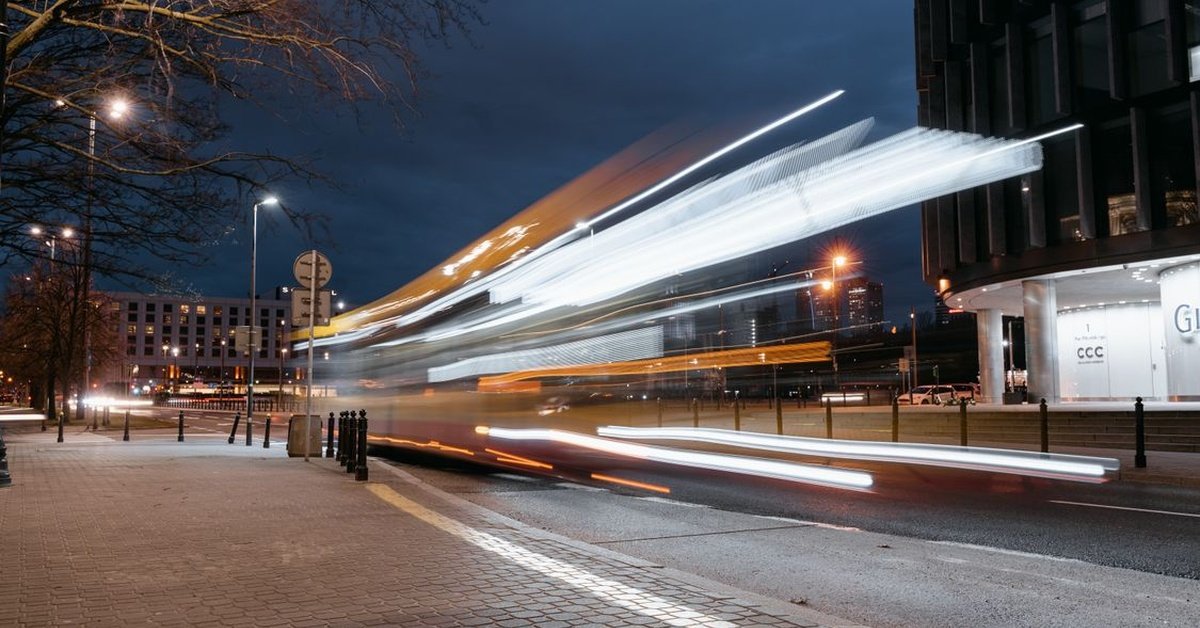
Direct answer: Smart mobility is the integration of transportation systems with information and communication technologies — real-time data, sensors, apps, electric vehicles, shared mobility and smart traffic management — to make moving around cities faster, cleaner, cheaper and more accessible. Digital transportation is the technology layer that makes it possible: connected vehicles, adaptive traffic lights, Mobility as a Service (MaaS) apps, and data platforms that let cities and travellers plan journeys in real time. Together, they aim to solve the biggest urban transport problems: congestion, pollution, inaccessibility and long commute times.
Quick Facts
| Component | What it does |
|---|---|
| Electric vehicles (EVs) | Electric buses and fleets reduce emissions and noise; smart grid integration supports charging |
| Shared mobility | Car-sharing, ride-hailing and on-demand shuttles; more flexibility, lower cost than car ownership |
| Micro-mobility | Scooters, e-bikes and shared bikes for the “last mile” between transit stops and destinations |
| Smart traffic systems | AI and IoT sensors adjust traffic lights in real time to traffic flow |
| Mobility as a Service (MaaS) | One app combining multiple transport options, with pay-as-you-go payment |
| Autonomous vehicles | Self-driving shuttles, delivery robots and ride-hailing being tested; semi-autonomous features already common |
| Digital twins | Virtual models of a city’s transport network, used to test changes before building them |
The Problem Smart Mobility Solves
Cities face the same transport problems almost everywhere: traffic congestion that wastes time and fuel, pollution from private cars, public transport that does not reach everyone, high transport costs for households, and long commutes that eat into daily life. Traditional solutions — building more roads — often make congestion worse by encouraging more driving.
Smart mobility takes a different approach: use existing infrastructure better, through data, connectivity and shared services, rather than simply building more of it. That means real-time information so travellers can choose the best route, adaptive signals so traffic flows better, shared vehicles so fewer cars are needed, and electric fleets so the vehicles that remain are cleaner and quieter.
The Building Blocks
Electric vehicles. EVs — especially electric buses and fleets — are key to reducing urban emissions. Many cities are replacing diesel buses with electric ones, which lower greenhouse gases, are quieter and require less maintenance. Charging infrastructure is expanding, supported by smart grid integration that manages when and where vehicles charge.
Shared mobility. Car-sharing, ride-hailing and on-demand shuttles offer more flexibility and lower cost than car ownership, and better use of existing infrastructure. A shared vehicle that is used for many trips a day replaces several private cars that sit parked for most of their lives.
Micro-mobility. Scooters, e-bikes and shared bikes fill the “last-mile” gap between transit stops and destinations. They cut short car trips, reduce emissions and improve access in underserved areas. Apps from providers such as Lime, Bird and Capital Bikeshare make them easy to access and pay for — though their success depends on safe cycling infrastructure and sensible parking rules.
Smart traffic systems. AI and IoT sensors power traffic lights that adjust in real time to traffic flow. Cities such as Los Angeles and Singapore use adaptive signal control, connected vehicle networks and incident detection sensors to reduce congestion, idling and commute times. Digital twins take this further: Singapore’s Land Transport Authority built a digital twin using GPS, fare, CCTV and weather data, with machine learning congestion forecasting, and reported travel-time reductions of 8% and bus-delay reductions of 12% in its first year of operation in one case study — a specific result, not a universal promise.
Mobility as a Service. MaaS platforms combine multiple transport options — bus, metro, bike-share, ride-hailing — into one app, with real-time schedules, route planning and pay-as-you-go payment. Instead of owning a car or juggling five apps, a traveller plans and pays for a journey as a single service.
Autonomous and semi-autonomous vehicles. Self-driving shuttles, delivery robots and autonomous ride-hailing are being tested in cities worldwide. Full autonomy is not here yet, but many cars already use semi-autonomous features such as lane assist, smart braking and adaptive cruise control. Long-term, autonomous vehicles could reduce accidents and improve accessibility, but safety and regulation challenges remain.
Benefits: For Travellers and Cities
For travellers, smart mobility means saved time through optimised journeys, reduced transport costs, greener travel options, and less traffic and cleaner air. Real-time information helps people plan journeys more efficiently, while shared and on-demand options improve access for people without cars.
For cities, the benefits are quality of life, reduced pollution, improved public transport safety and security through better monitoring, and data-driven planning. Open data about transportation creates a market for mobility apps, while optimised traffic and public transport reduce the need for personal vehicles, conserving resources and reducing urban sprawl. Economic benefits follow: reducing congestion and improving logistics saves time and money, and better connectivity supports jobs and local economies, including in rural areas through demand-responsive transport.
Challenges and Honest Limits
Smart mobility is not a magic solution, and its challenges are real:
- Equity. Digital services can exclude people without smartphones, bank accounts or digital literacy. Smart mobility must work for everyone, not just the connected.
- Privacy. Real-time location and travel data are sensitive. Cities and providers need clear rules on what is collected, how long it is kept and who can access it.
- Infrastructure gaps. Smart traffic and EV charging need investment, and rural areas often lack the connectivity and services that cities take for granted.
- Regulation. Autonomous vehicles, e-scooters and ride-hailing all need rules on safety, parking, liability and labour that are still evolving.
- Behaviour change. Technology alone does not reduce car use. Without pricing, planning and public transport investment, smart tools can simply make driving more convenient.
What a Good Smart Mobility System Looks Like
A good system is multimodal — it connects walking, cycling, public transport, shared mobility and cars, rather than optimising one mode in isolation. It is data-driven but privacy-aware, with open data that lets third parties build better apps. It is accessible, with options for people without smartphones or bank accounts. And it is planned for the long term: mobility infrastructure should serve needs 50 years ahead, not just the next election cycle.
Conclusion
Smart mobility and digital transportation are not about a single technology. They are about using data, connectivity, electric vehicles, shared services and smart infrastructure together to make urban movement faster, cleaner, cheaper and more accessible. The building blocks — EVs, shared mobility, micro-mobility, smart traffic, MaaS and digital twins — already exist in cities around the world, with real but specific results. The challenge now is not inventing the technology but deploying it fairly, privately and at scale, so that the benefits reach everyone who moves through a city, not just those with the newest app.
FAQs
1. What is smart mobility?
The integration of transportation systems with information and communication technologies — real-time data, sensors, apps, EVs, shared mobility and smart traffic management — to make urban movement more efficient, sustainable and accessible.
2. What is Mobility as a Service (MaaS)?
A single app that combines multiple transport options — bus, metro, bike-share, ride-hailing — with real-time planning and pay-as-you-go payment.
3. How does smart mobility reduce congestion?
Through adaptive traffic signals, real-time routing, optimised public transport and shared mobility that reduces the number of private cars needed.
4. What is micro-mobility?
Scooters, e-bikes and shared bikes that fill the “last-mile” gap between transit stops and destinations, cutting short car trips.
5. Are autonomous vehicles part of smart mobility?
Yes, as a developing component. Self-driving shuttles and delivery robots are being tested, while semi-autonomous features like lane assist and adaptive cruise control are already common.
6. What is a digital twin in transport?
A virtual model of a city’s transport network, using real data to test changes — such as a new bus lane or signal timing — before building them.
7. What are the main challenges?
Equity for people without digital access, privacy of location data, infrastructure investment, evolving regulation, and the need for behaviour change alongside technology.
For more articles like this, visit Newsexamine.
